
Willett, Christopher S.
Research Associate Professor
Director of Graduate Studies
willett4@email.unc.edu
406 Coker Hall
(919) 843-8663 (office)
At a Glance
My research focuses on the evolutionary genetics and genomics of aspects of speciation and adaptation. The basic concepts I study are how one species can split into two over time and what factors influence how organisms adapt to their environment. Current work centers on exploring questions in these areas using copepods and moths as model systems. Here are some interests:
- Speciation Genetics: Genetic basis of hybrid breakdown in copepods and the appearance of reproductive isolation
- Genetic basis of physiological adaptation: Temperature and salinity tolerance in copepods and the moth Manduca sexta
- Comparative genomics and using next generation sequencing to study the genetic basis of speciation and adaptation
- Population genetics and molecular sequence evolution
- Conservation genetics: Outbreeding depression, population genetics of threatened species
Synopsis
My research addresses the nature of genetic variation that underlies speciation and adaptation. Specifically, I attempt to unravel how genetic changes at the molecular level can lead to phenotypic changes of evolutionary significance. A major thrust of my research program has been to understand how genetic variation within populations translates into variation between populations and species, and to determine the impact of natural selection on this process. In my current work I am targeting specific genetic systems and using genome-wide approaches to determine the regions of the genome that could be involved in generating reproductive isolation that occurs after mating (postzygotic reproductive isolation). I am also examining the physiological and fitness consequences of genetic variation using both targeted gene and genome-wide approaches. Specifically we are looking at the evolution of temperature and salinity adaptation across populations. My work to date has largely focused on two primary systems systems-copepods and moths.
Copepods:
 The harpacticoid copepod Tigriopus californicus inhabits rocky, intertidal splash pools in a patchy distribution along the west coast of North America. Populations of this species display dram
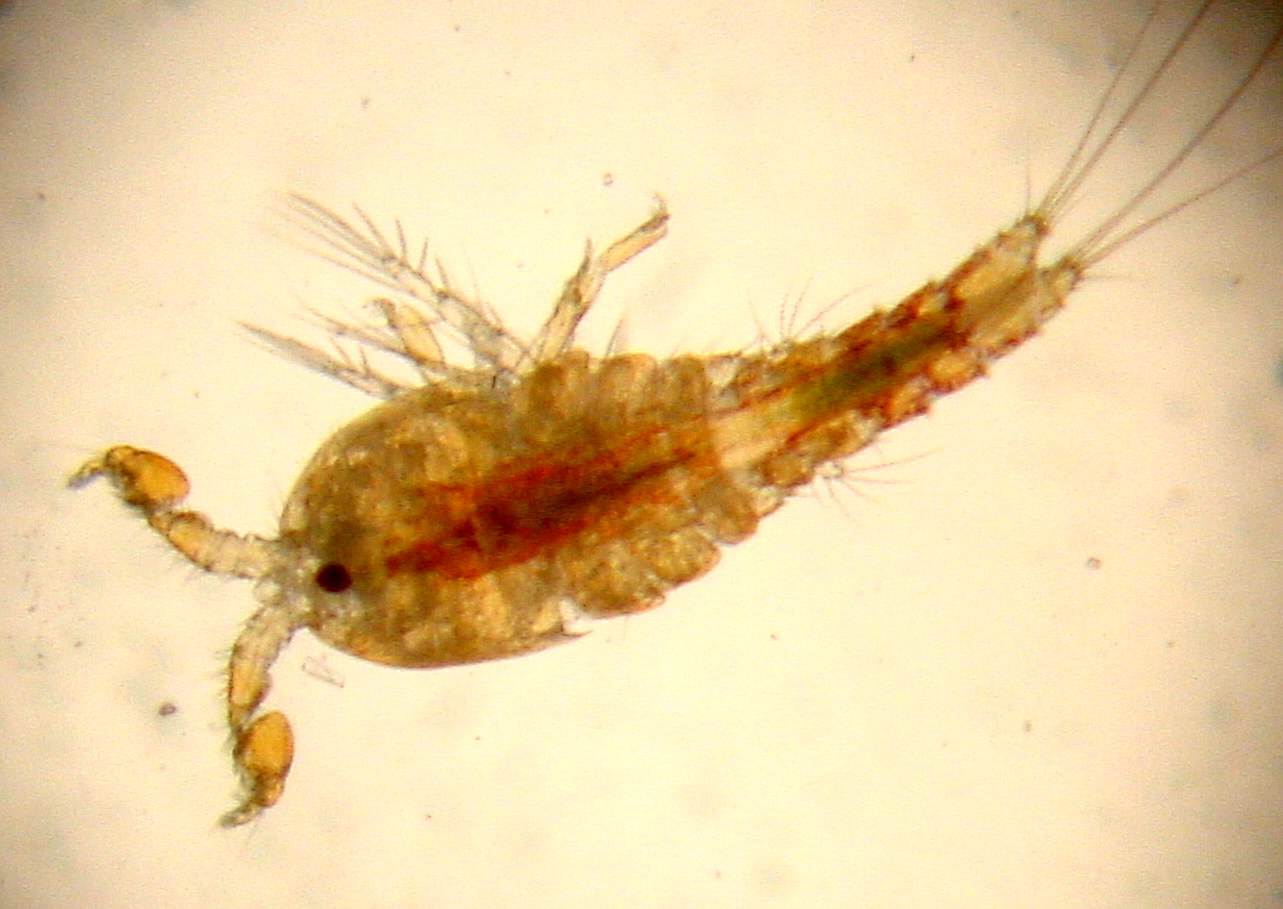 atic genetic differentiation even between relatively proximate localities. Crosses between these populations typically show hybrid breakdown (decreases in fitness of F2 individuals). Understanding the genetic basis of this hybrid breakdown could yield insights into the early stages of the process of speciation (link). Recent work in the lab has also focused on the nature of adaptation in thermal tolerance among populations of this species and its implications for reproductive isolation in this system. This work could help reveal how species will be able to handle future changes in temperature environments (link).
Moths:
My lab is now working in collaboration with Joel Kingsolver’s lab in a project studying thermal biology and genetics in caterpillars of Manduca sexta, the tobacco hornworm. This project focuses on how organisms respond to variation in temperature over time (i.e. warmer during the day and cooler at ni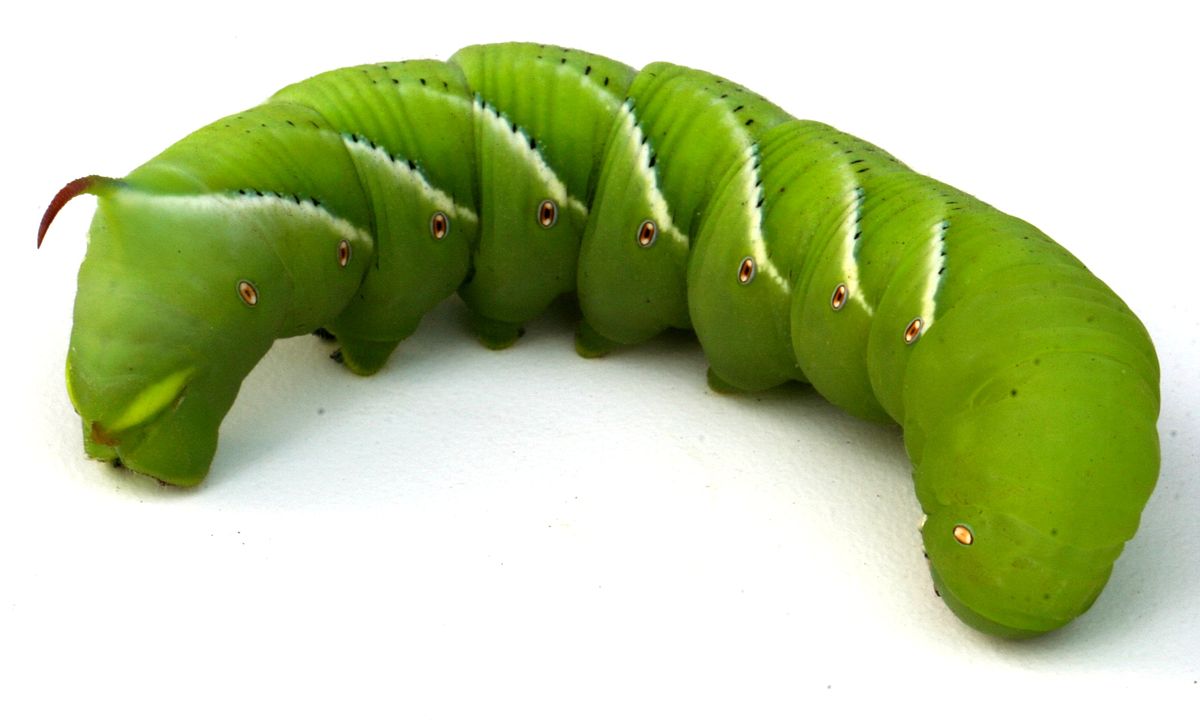 ght) and will help us understand better how to predict how organisms will be able to handle a changing climate. We will be focusing in my lab in how the caterpillars are responding on the genetic and protein levels and how this can help us understand what is happening at the level of the whole organism. Another interesting part of the work is comparing field and lab-adapted animals to which can illuminate how thermal tolerance can change over relatively short periods of time (link).
I have also worked in the past on the evolution of pheromone communication systems. This work largely focused on the evolution of one protein, the pheromone-binding protein, and how it contributes to discrimination by male moths and differentiation among species (link).
EDUCATION
B.S. in Zoology, Michigan State University, 1993
Ph.D. in Genetics and Development, Cornell University, 1999